Pharmaceutical air treatment: ensuring contamination control in production
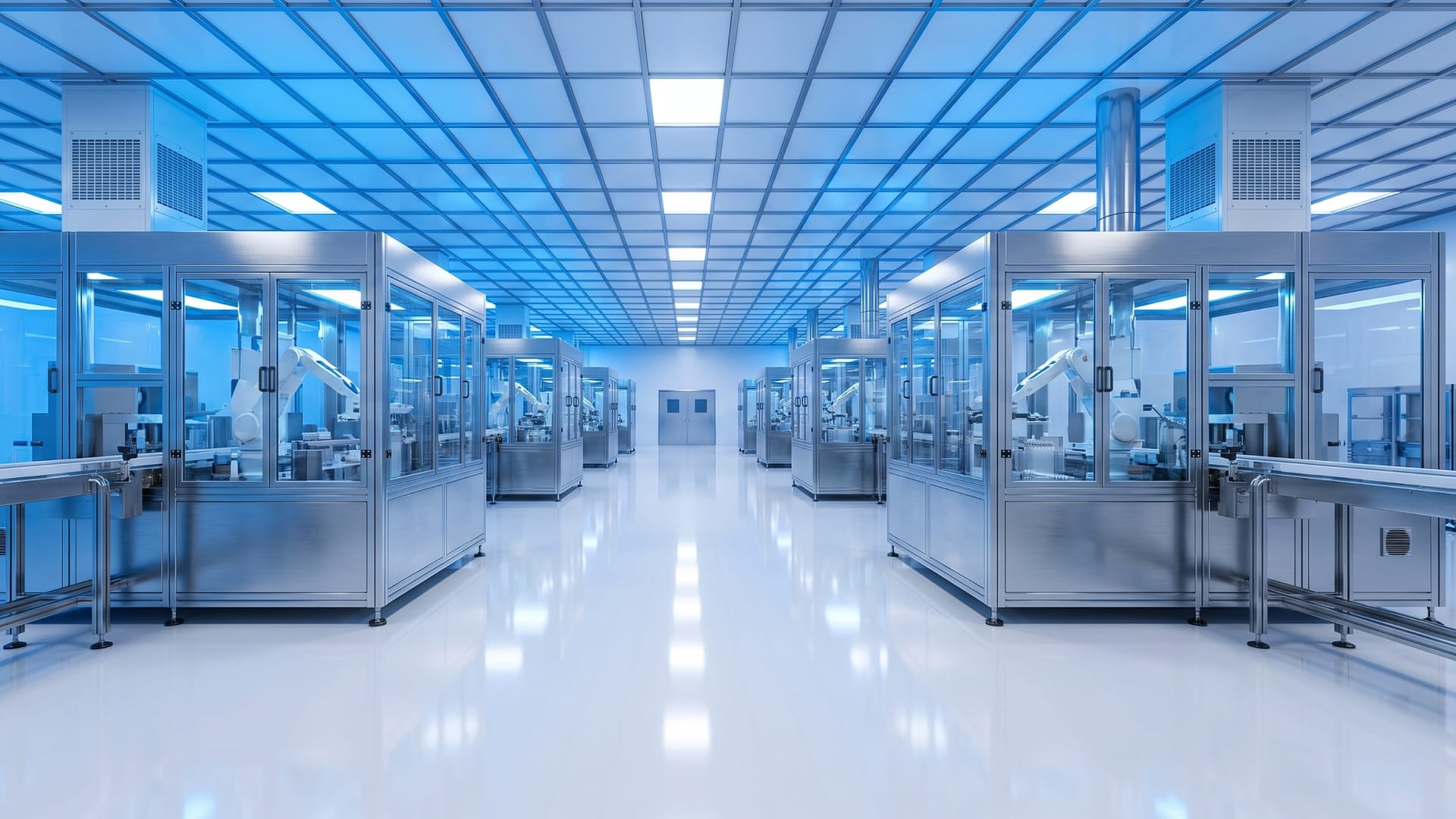
First of all, it is appropriate to clarify what is meant by pharmaceutical air treatment. The term pharmaceutical here designates all production and control sites in which medicines and health products are manufactured, handled or packaged. These activities include, for example, the manufacture of sterile or non-sterile products, the preparation of injectable solutions, research and development laboratories, as well as packaging and quality control areas. The control of particulate and microbiological contamination is a key issue that ensures product safety and regulatory compliance. Air treatment systems therefore play a central role in maintaining stable environmental conditions that comply with standards.
Pharmaceutical manufacturers must therefore have high-performing, reliable facilities that are adapted to the regulatory requirements applicable to their activities.
The design of a high-performance pharmaceutical air handling system is based on a comprehensive approach that integrates filtration, air distribution and differential pressure management. These elements make it possible to control airflows and limit the risks of cross-contamination between the various production zones.
A pivotal role in contamination control
The quality of pharmaceutical products and process safety relies directly on air treatment. A high-performing installation relies notably on the following elements:
- Multi-stage particulate filtration
- Management of pressure cascades between zones
- Air renewal and circulation
- Temperature and humidity control
- Airflow control in critical areas
Filtration is generally organised into several stages in order to protect both the air handling equipment and the served areas, with a level of filtration adapted to the required cleanliness standards.
This arrangement makes it possible to maintain stable environmental conditions and limit the introduction or dispersion of contaminants in sensitive areas.
Strict normative requirements
Another essential point is that pharmaceutical air handling installations must comply with several technical standards. Among the main standards is ISO 14644-1, which relates to the classification of air cleanliness in cleanrooms and clean zones based on airborne particle concentration. Good Manufacturing Practices (GMP / BPF) impose specific requirements regarding air flow management, differential pressures and environmental condition monitoring.
The design of air handling units can also be based on the requirements of the EN 1886 standard, which characterises in particular certain mechanical performances of the AHU casing, such as its mechanical strength, airtightness or thermal performance.
A design suited to pharmaceutical environments
The air handling system consists of equipment capable of ensuring precise control of environmental parameters. The installations must adapt to the specific constraints of the processes:
- The sterile production areas
- The quality control laboratories
- The preparation and packaging areas
Each facility must therefore be designed according to the specific requirements of the site, the nature of the activities carried out and the desired level of contamination control.
A2i expertise in air treatment for the pharmaceutical industry
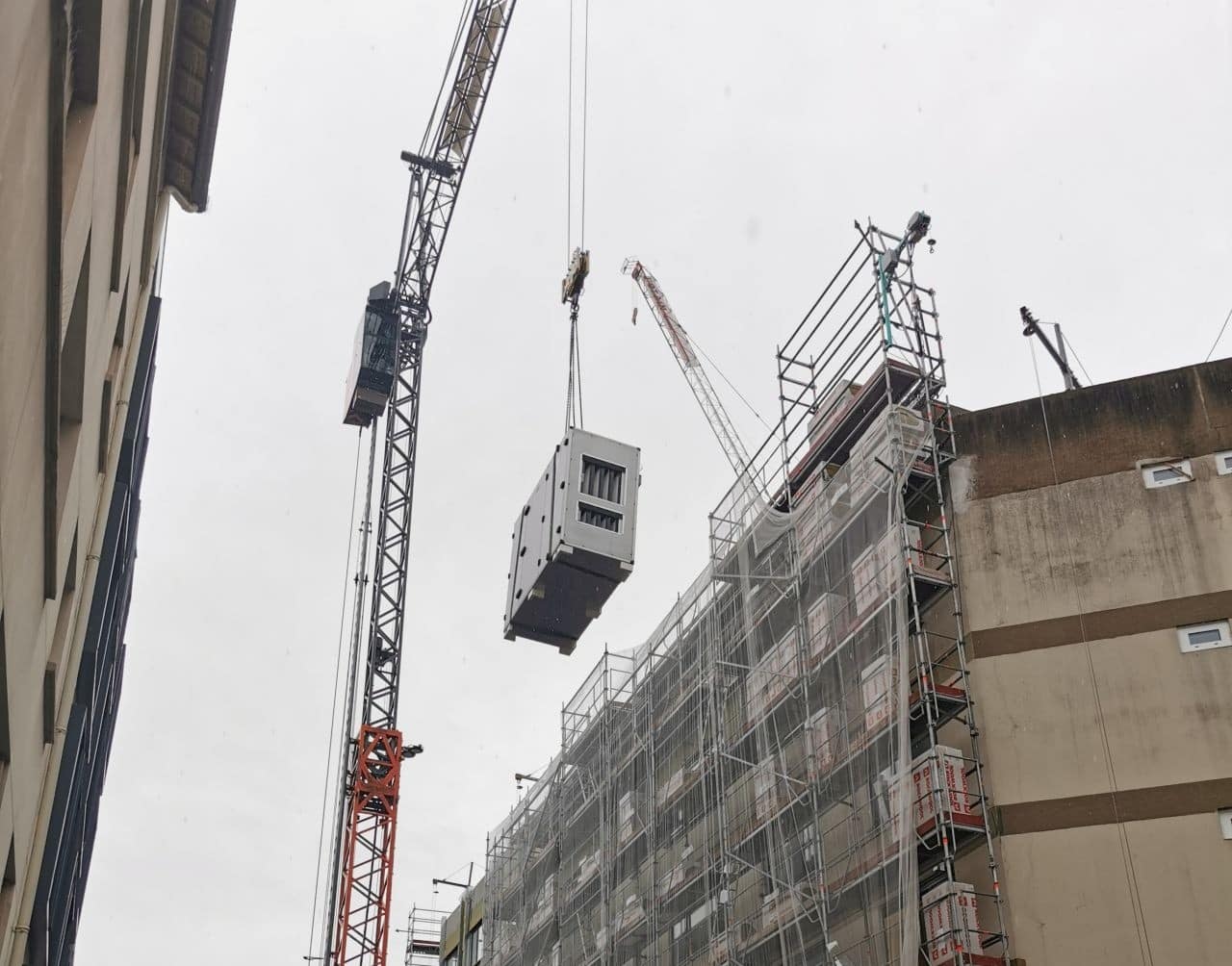
A2i designs and manufactures air handling units and cabinets, as well as laminar flow ceilings, specifically tailored to cleanroom environments. Our solutions enable the control of the key aeraulic parameters required for contamination-controlled environments: filtration, air flow rates, temperature, humidity and differential pressures. Each piece of equipment is sized according to the process constraints and the specific requirements of the project.