

Air Treatment Engineered for Every Controlled Environment
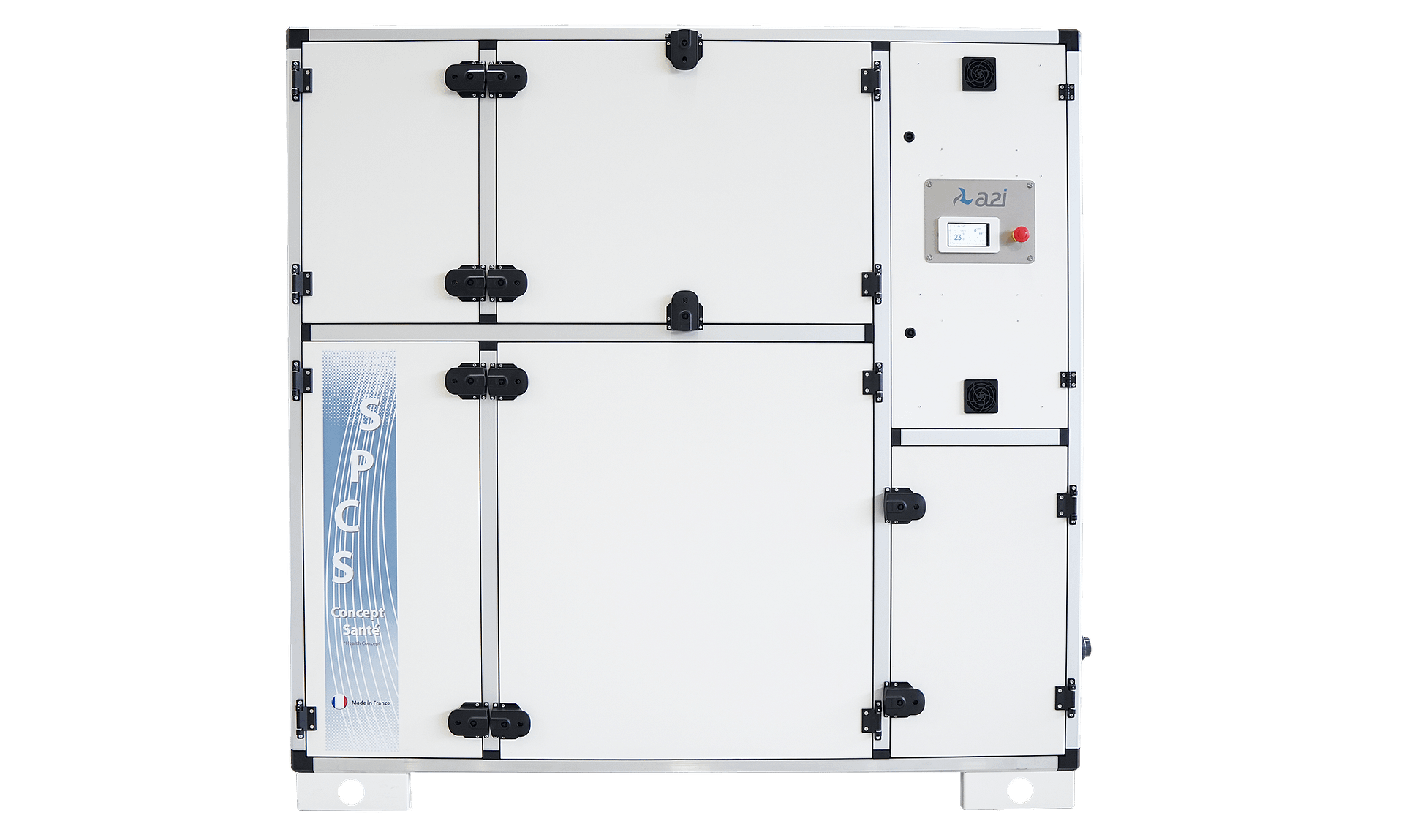
SPCS
Operating theater, isolation room, ICU, recovery room...

SPCI
Research laboratories, pharmaceutical industry, animal facilities, microelectronics, precision mechanics and industrial processes.
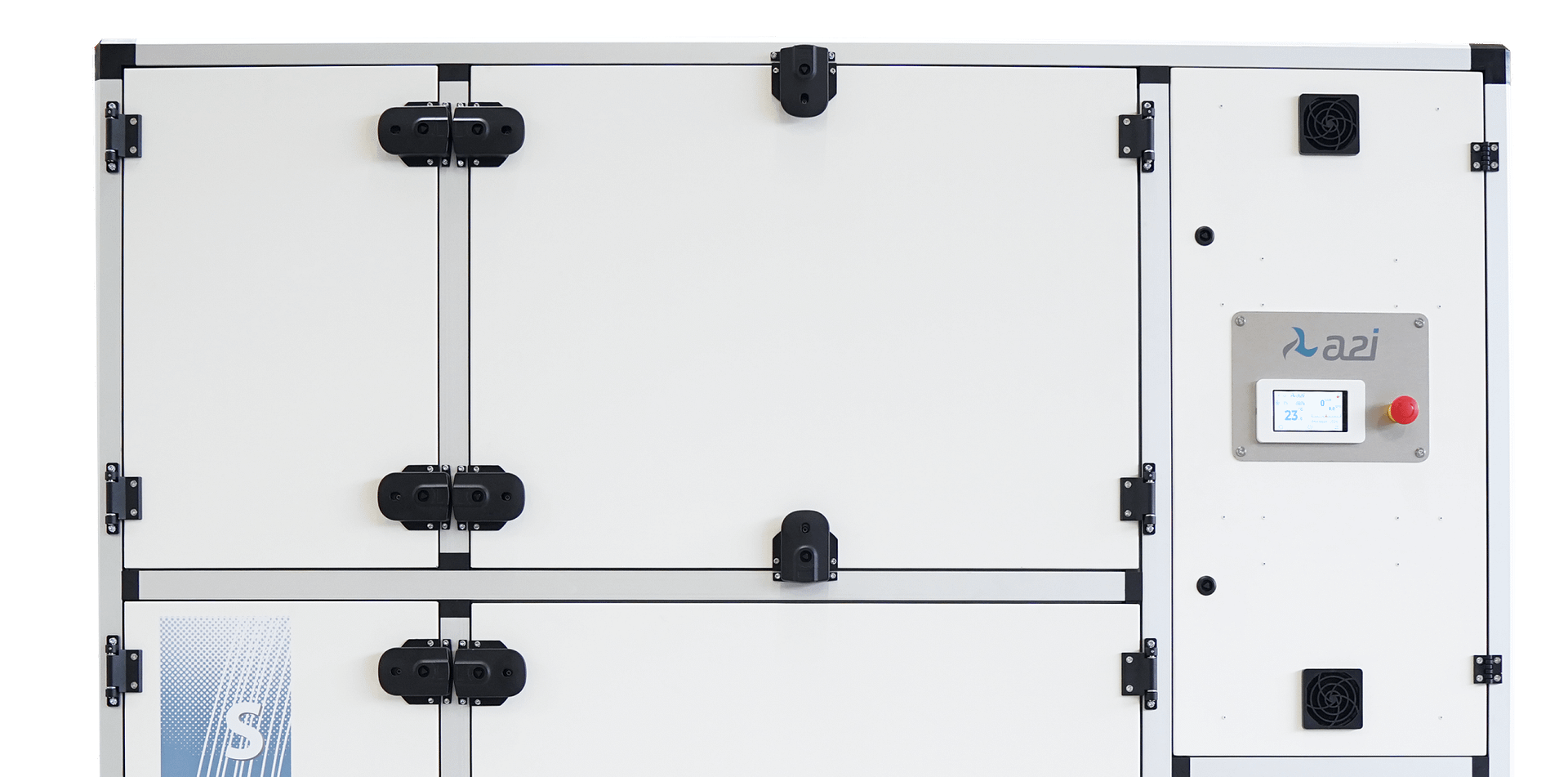
A Compact & High-Performance VAHU
A2i Vertical Air Handling Units are engineered for demanding environments including laboratories, healthcare facilities, pharmaceutical industries, industrial production areas, military installations and high-precision manufacturing. They combine high energy efficiency, precise regulation, flexible design and strict compliance with sanitary and technical standards.
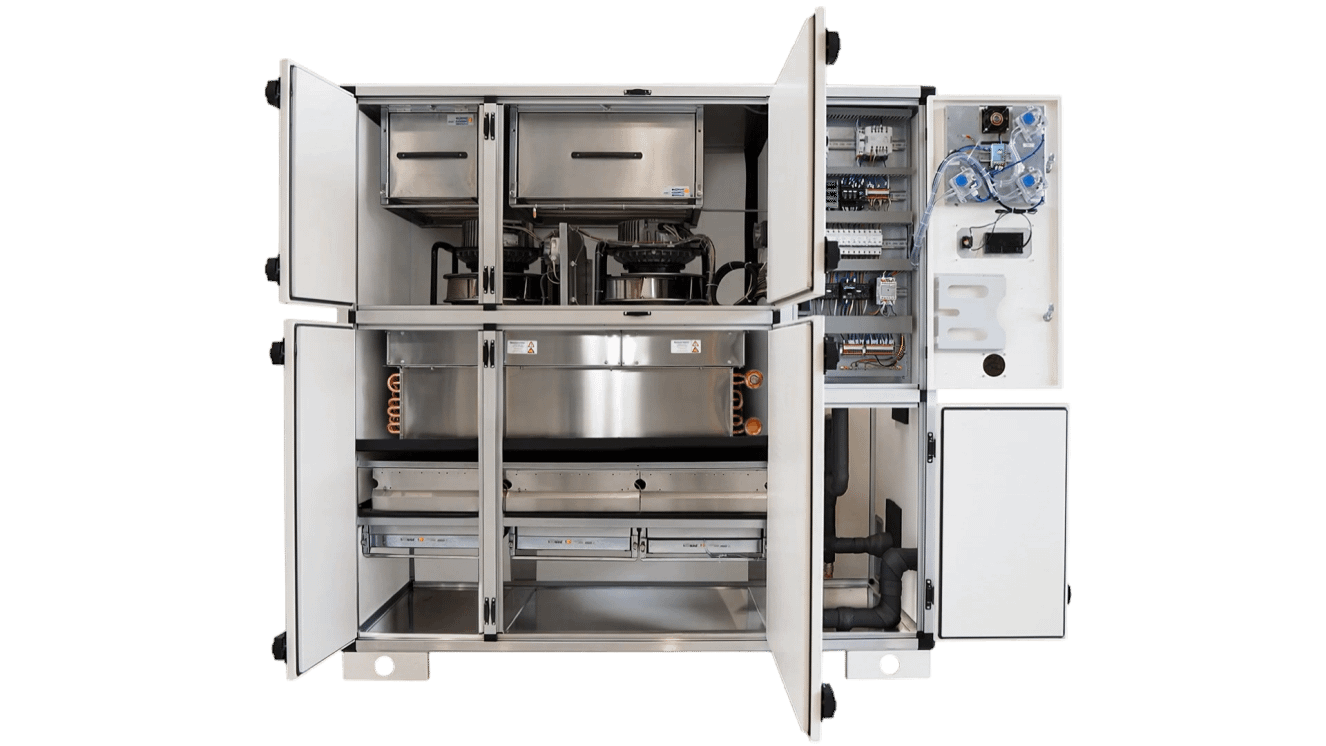
High-Performance Filters
G4 to H14 filtration stages ensuring controlled air quality, with airflow up to 28,000 m³/h depending on unit configuration.

EC fan
High-efficiency EC motors with continuous speed regulation, low noise and reduced energy consumption.

Heat Exchangers
Cooling and heating coils — chilled water, direct expansion, hot water or electric heaters — tailored to each project's requirements.

G4 to F9 Fresh Air & Return Air Pre-Filters
Filtration of coarse and intermediate particles in both fresh and return air streams to protect components and optimize final filtration.

Double-Skin Insulated Panels
Double-skin panels in painted electro-galvanized steel sheet, 42mm thickness.

Stainless Steel Condensate Drip Tray — NFS 90-351 Compliant
Stainless steel condensate tray with droplet separator and siphon, compliant with standard NFS 90-351.

Stainless Steel Floor - Hygienic Design
Stainless steel base and interior panels, making cleaning easier and meeting hygienic requirements.

Compact Format
Unlike conventional AHUs, our compact plug & play design significantly reduces installation constraints, ductwork, contamination risks and can be integrated in or next to the room being treated.

They Trust Us


Structural Integrity & Regulatory Compliance
Designed for the most demanding environments, our VAHUs are built to the highest manufacturing standards.


Energy Performance
& EC Motor
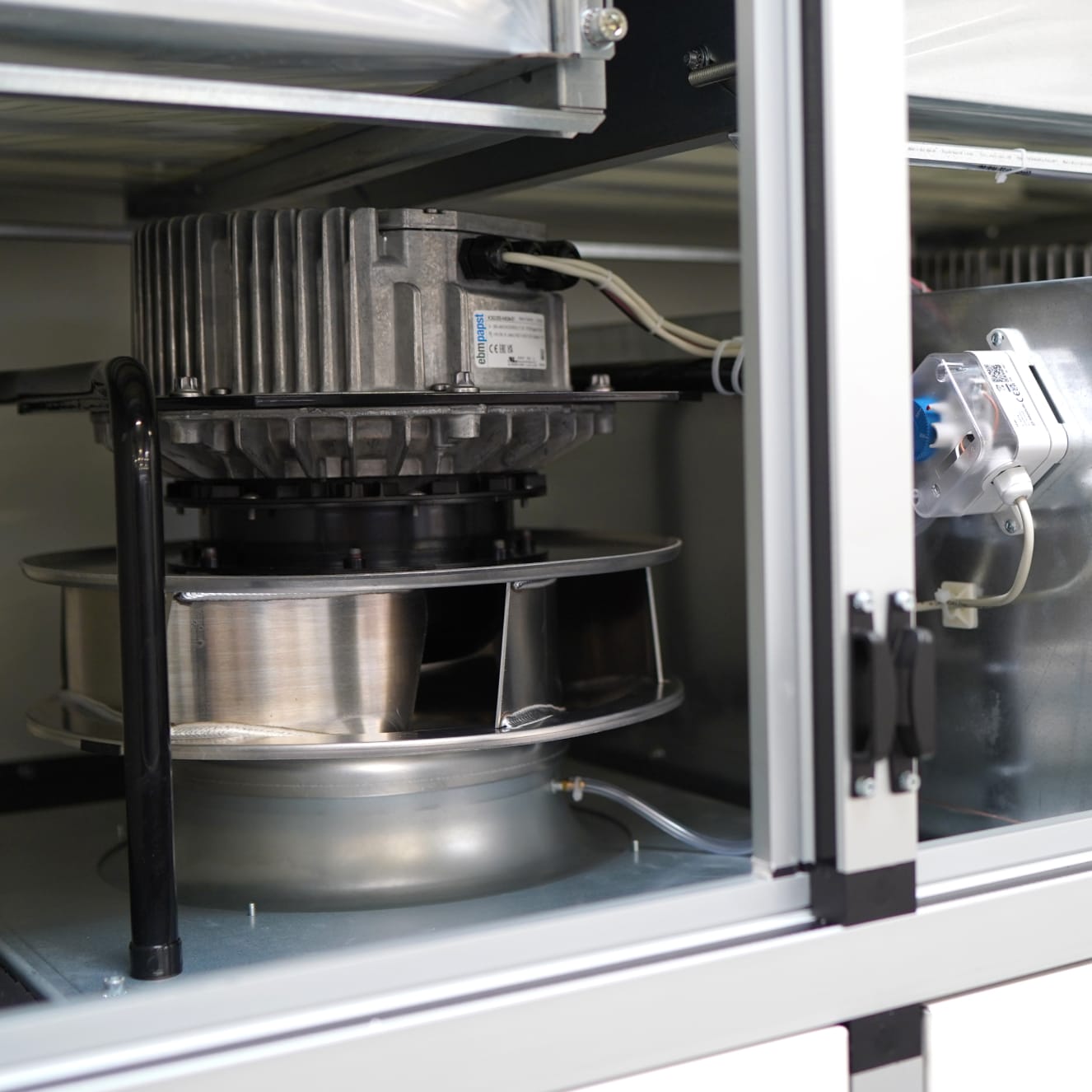
EC Fans: High Efficiency, Lower Energy Consumption
EC fan technology continuously adjusts speed to match the required airflow, significantly reducing energy consumption. This delivers up to 30% energy savings compared to conventional asynchronous motors — without compromising aeraulic performance or stability.
Reliable, High-Performance Air Management
The integrated system continuously monitors and controls airflow, temperature, humidity and pressure — ensuring stable, precise conditions at all times.


Standby mode
Automatically reduce operation based on time schedules to minimize energy consumption during low-activity periods and optimize energy consumption management.
Heat Exchangers
Heat exchangers are selected according to the facility's requirements and the constraints of the environment to be treated. The design takes into account air speed and expected performance to ensure stable temperature and humidity regulation. Anti-corrosion protection can be integrated to guarantee the durability of the equipment in demanding environments.

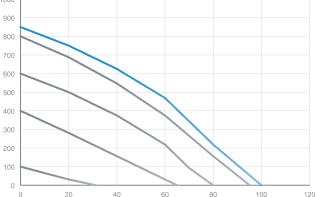
Constant Airflow Regulation
The fan self-regulates to maintain a constant airflow by automatically compensating for pressure drops.
Designed for High-Risk
Healthcare Facilities
Very High Infectious Risk — Risk Level 4
Areas with very high infectious risk require centralized air treatment with enhanced filtration and precise airflow control to minimize airborne contamination.
Areas of application
Orthopaedic theatres, organ transplant theatres, burns operating theatres, protected unit rooms (haematology), cytostatic reconstitution, parenteral solution manufacturing.
Recommended Equipment

High Infectious Risk — Risk Level 3
High infectious risk areas require enhanced air treatment with strict control of airflow, pressure and filtration to limit the spread of pathogens and protect occupants.
Areas of application
Multi-purpose theatres, ENT/ophthalmology and orthopaedic theatres, digestive and visceral surgery theatres, urology, cardiovascular surgery theatres, neurosurgery theatres...
Recommended Equipment

Moderate Infectious Risks - Risk 2
Moderately infectious risk areas require air treatment to control airborne contamination while ensuring the comfort and safety of patients and staff. Managing airflow, filtration, and air currents helps to limit the spread of infectious agents.
Areas of application
Pre-operative care unit (POCU), post-anaesthesia care unit (PACU), circulation within operating theatres, sterile medical device storage, multi-purpose room, ...
Recommended Equipment

Learn More About our VAHUs
Seamless Integration
Our VAHU range is designed for easy installation in close proximity to treated areas or cleanrooms — minimizing ductwork and simplifying on-site integration.
Optimized Energy Consumption
The high energy performance of our VAHUs directly translates into reduced operating costs and optimized consumption.
Our VAHUs are specifically designed and manufactured to control temperature, humidity and pressure in environments where biocontamination must be strictly managed.
Engineered for controlled environments governed by hygiene standards such as NFS 90-351 and ISO 14644, our units are fully compliant with EN 1886 — meeting all required criteria including casing deflection, leakage, thermal bridging, thermal transmittance, filter bypass leakage and acoustic attenuation.
Their flexible design simplifies aeraulic, hydraulic and refrigeration network engineering, while enabling installation in confined spaces — reducing both costs and installation time.
Like our Air Handling Unit and our Laminar air flow ceiling for operating theatre, our VAHUs deliver direct energy savings through high-performance components — contributing to long-term operational cost reduction. Units are also fitted with ozone-friendly refrigerants for direct expansion cooling, making them fully compatible with HQE (High Environmental Quality) building standards.
EC motors with built-in anti-failure protection, individual integrated electronic circuits, self-regulating motors and internal protection ensure reliable, uninterrupted performance.
Frequently asked questions
The Vertical Air Handling Unit
This equipment ensures the regulation of numerous decisive parameters in air management: temperature, humidity, differential pressures, and particle air quality.
This type of equipment is intended for installations where the control of infectious or risk is a regulatory and operational requirement.
In these applications, compliance with standards and operational safety are essential and determine the type of air treatment equipment.
In healthcare facilities, air handling units play a role in meeting the requirements of standard NF S 90-351 concerning risk levels (ISO 5 to ISO 8).
The casing design allows for high performance levels to be achieved according to EN 1886:
- Mechanical deformation class D1,
- Waterproofing class L2,
- Control of F9 filter bypass leaks,
- T2 / TB2 thermal classes.
Regulatory compliance is a determining factor in the choice of equipment.
Possible configurations include single flow, double flow, and double flow with energy recovery, which are highly effective for achieving ambitious energy performance.
Also, the AHU can function as:
- Full fresh air,
- Total recycling,
- Recirculated air / fresh air.
The sizing depends on the risk level, the required mixing rate, and the architectural constraints of the building.
Integration into HQE-type projects is part of a global building performance strategy. However, energy management must not compromise health and regulatory requirements.
- Aluminium profile frame with thermal breaks
- Painted electro-galvanised steel double-skin panels
- Thermal and sound insulation in rock wool.,
- Removable access panels for ease of maintenance.,
- Condensate tray compliant with NF S 90-351 requirements.
Manufacturing quality determines the longevity of operational performance.
- No need to install heating element,
- Add a domestic hot water exchanger powered directly via the building's existing heating network,
- Select a reversible chiller, which can then be switched to a heat pump in winter.
- Reduction in the size of technical rooms compared to the needs of an AHU with equivalent characteristics.
- Easier reduction and maintenance of ducted ventilation systems.
- Reduced risk of duct fouling due to the fact that the duct network is less extensive than in a conventional installation.
- «Plug & Play» cabinets, meaning modular and with all components integrated into the air handling unit.
- Adapt to all specific constraints of your building.
- Accessibility, component maintenance and filter replacement are facilitated.
A2i Vertical Air Handling Unit