

Go to main content

Air handling for operating theatre

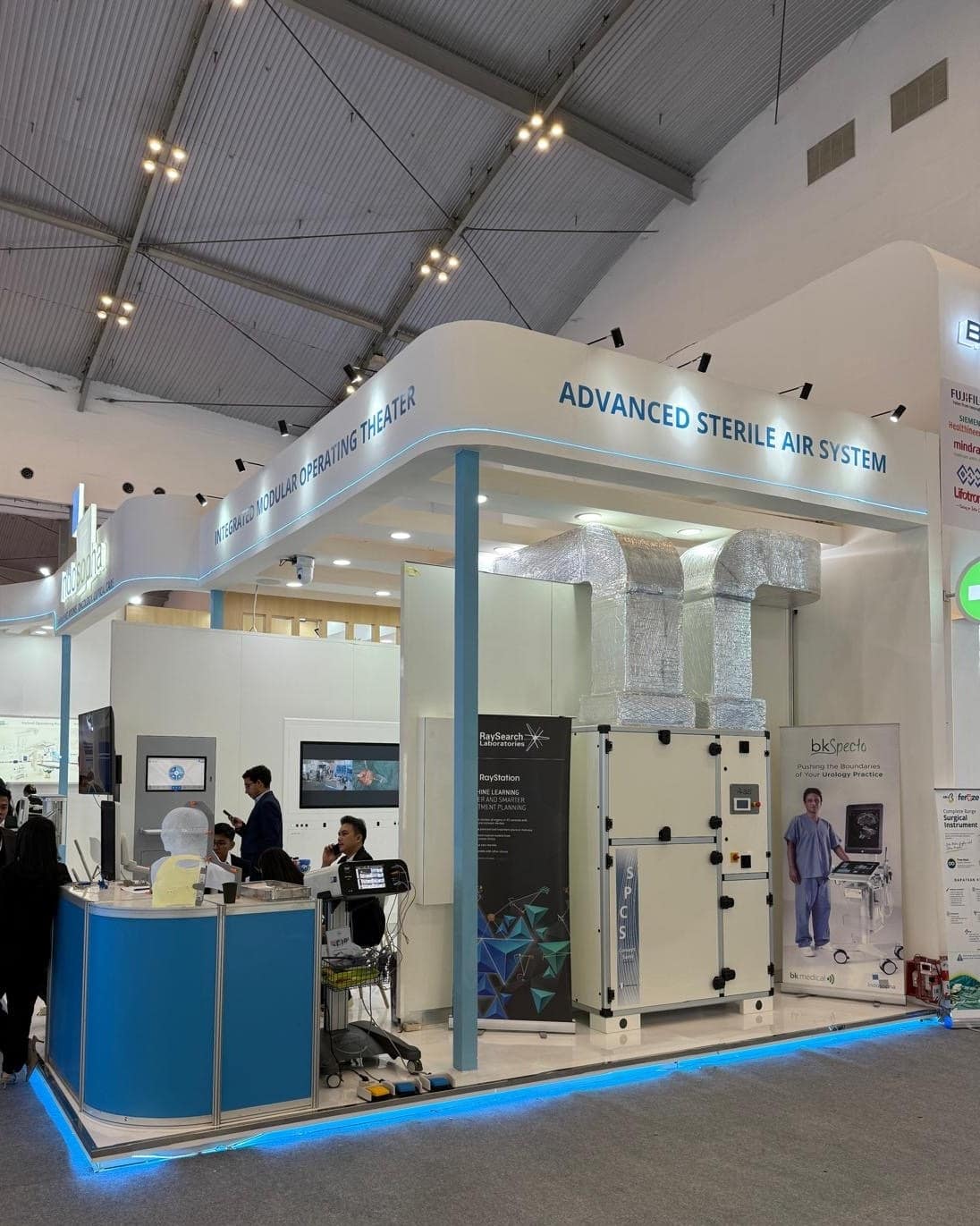
Our equipment ensures the monitoring of critical aeraulic parameters: air flow rates, particulate filtration, thermal stability, humidity levels and differential pressure management perfectly calibrated to operating theatre standards.

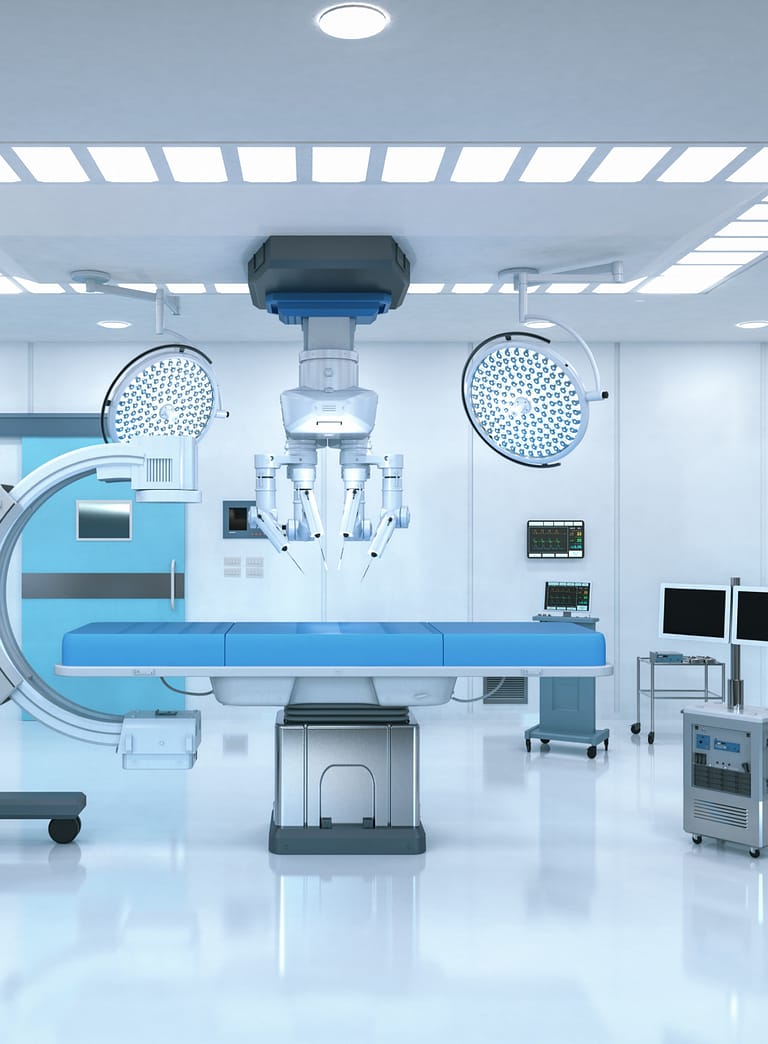
Modern operating theatre
Air innovation industry

Equipment designed to meet the regulatory requirements of the operating theatre

Our air handling systems for operating theatres are developed to meet the regulatory constraints of hospital environments. We design bespoke solutions whose sizing is perfectly adapted for optimal air-handling control within the context of surgical activities. Each project therefore integrates normative requirements during the design phase to guarantee the conformity of the installations.
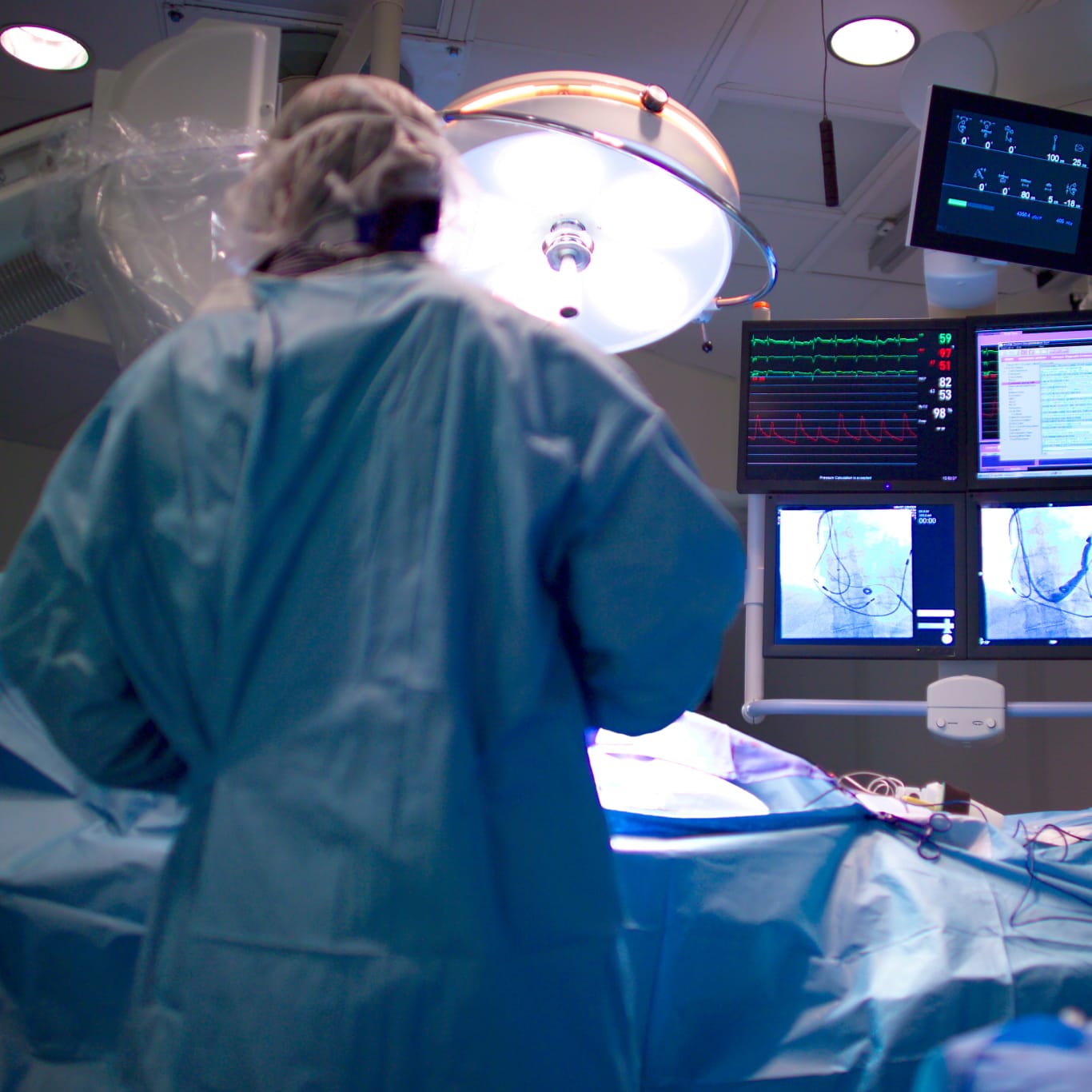
Staff currently in operation

They Trust Us

Clinique Ambroise Paré-Hartmann Logo
HUG logo
ELSAN Logo
Chanel Logo

Energy performance of air treatment in operating theatres

Our operating theatre air treatment systems natively incorporate a design geared towards energy performance and performance reliability. The air handling units and control cabinets are equipped with electronically commutated motor fans featuring integrated electronic circuits and self-regulation devices. This technology enables dynamic adaptation of operation to the actual needs of the operating theatre. The overall equipment design improves energy efficiency while maintaining the desired level of air-handling performance:

  • Optimised energy consumption
  • Continuous variation of fan speed
  • High aerodynamic efficiency
  • Controlled noise level
  • Reliability and extended component lifespan
Logo ISO_9001-2015NF EN 1886NF EN 1886

Frequently asked questions

Everything you need to know about our cleanroom equipment

It refers to all the equipment used to control air quality in surgical areas. Given the sensitive nature of surgical activities, it aims to maintain a very low particle concentration as well as precise control of temperature, humidity and differential pressures.
Controlling these parameters helps to limit the risk of contamination during procedures. The expected performance levels are strictly defined by the NF S 90-351 standard, which specifies the requirements applicable to hospital environments.

Without sufficient air renewal, the risk of infectious contamination is very high. Aeraulic control and regulation devices therefore ensure air renewal, high-efficiency filtration, flow management and the maintenance of overpressure relative to peripheral areas. This organisation of air flows thus helps to limit the introduction of particles or microorganisms into the operating zone and to maintain stable conditions during surgical procedures.

The facilities must comply with several technical and regulatory standards, including ISO 14644-1, which defines the particle classification of controlled environments.
In the hospital sector too, NF S 90-351 specifies the specific requirements for operating theatres in terms of air change rates, unidirectional airflow and terminal filtration. Air treatment equipment must also meet the mechanical and airtightness requirements defined by standard EN 1886.

Compliance relies on several complementary technical factors.
The sizing of air handling equipment must be adapted to the type of operating theatre as well as to the level of risk associated with the procedures performed. The air treatment system must incorporate high-efficiency terminal filtration, precise flow rate regulation and continuous monitoring of critical parameters. Finally, performance validation requires a structured qualification process.