


Energy refurbishment of hospital systems
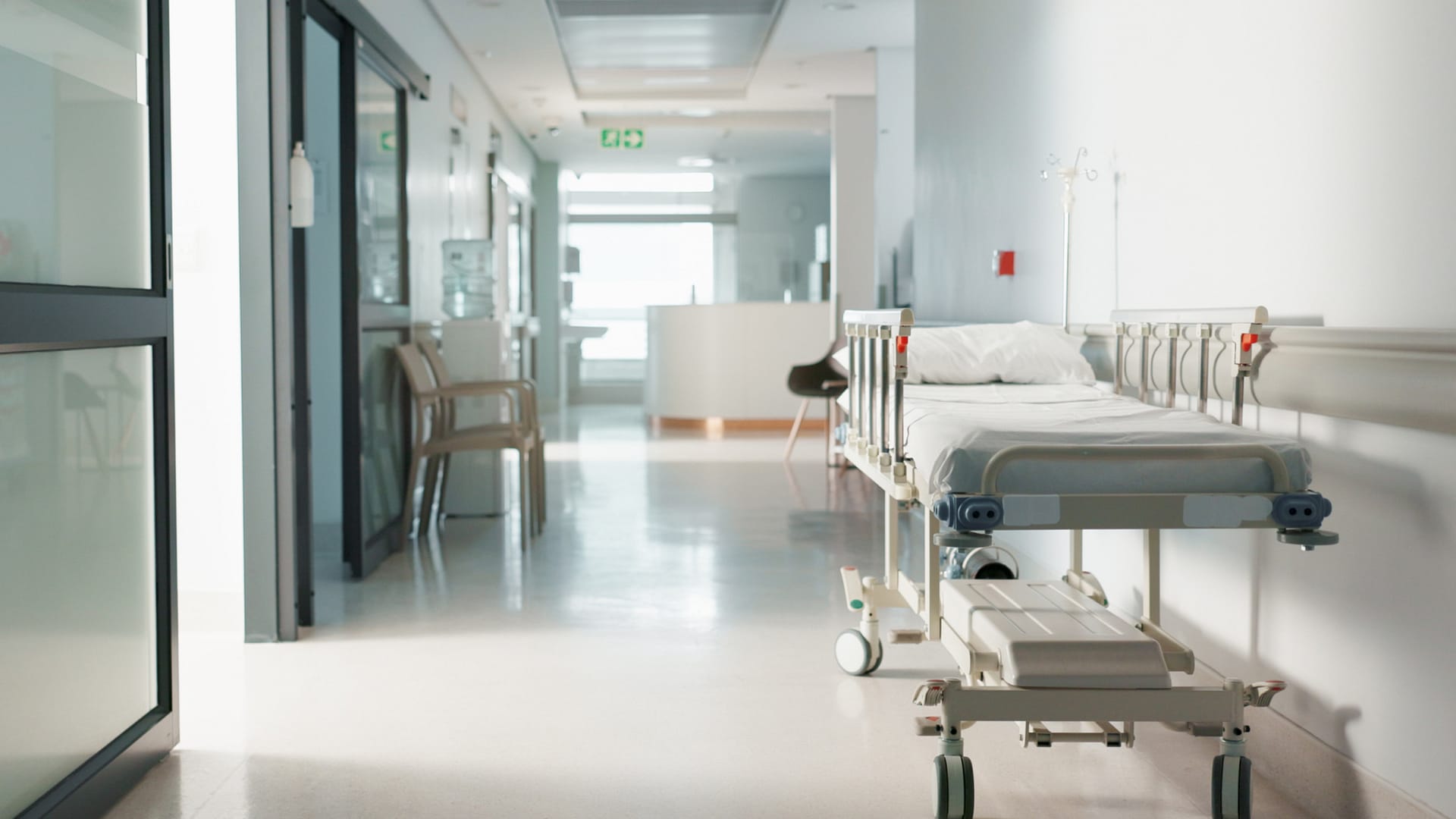
Healthcare facilities present significant business continuity and safety constraints. Certain technical installations must operate continuously, whereas others can adjust their operating mode according to the occupancy and activity of the premises. These constraints can lead to substantial energy consumption, particularly for heating, cooling, ventilation and air conditioning.
In certain controlled environment areas, such as operating theatres, critical care units or protected rooms, air treatment installations must meet specific performance requirements regarding filtration, air flow rates, flow regimes and differential pressures.
In many refurbishment projects, existing equipment may have lower energy performance than that offered by current technologies. Modernising the installations therefore represents an opportunity to improve their efficiency whilst maintaining the performance required for medical activities.
The first step in an energy retrofit process generally consists of analysing the actual operation of the installations: flow rates, pressure drops, electrical and thermal consumption, control systems, condition of filtration and operating conditions. This analysis makes it possible to identify the main areas of consumption and potential areas for improvement.
High-efficiency fans, particularly those equipped with EC motors, offer control options that make it possible, when operating conditions and health requirements permit, to adapt airflow rates to the actual needs of the premises. This modulation can help reduce electricity consumption.
Energy recovery also constitutes a potential lever for improving energy performance. Extracted air can contain a significant amount of thermal energy that can be recovered to preheat or precool fresh air. In a hospital environment, however, the choice of recovery system must take into account the nature of the areas served and the risk of contaminant transfer between the air streams.
System regulation finally plays a decisive role. Modern control systems make it possible to adapt the operation of equipment to actual operating conditions. Thus, air flow rates, temperatures or operating modes can be adjusted to optimise energy consumption without compromising health requirements. System regulation finally plays a decisive role. Modern control systems make it possible to adapt the operation of equipment to actual operating conditions. Where zone requirements permit, air flow rates, temperatures or operating modes can be adjusted in order to optimise consumption while maintaining the required performance.
The energy retrofit of hospital air handling systems is thus part of a comprehensive approach combining energy performance, compliance with applicable requirements, and the control of airborne contamination. The challenge is to optimise energy consumption without compromising the performance required for controlled environment zones.
At A2I, this approach consists of designing or modernising air-handling solutions in order to improve their energy efficiency whilst maintaining the performance levels defined for sensitive medical environments.