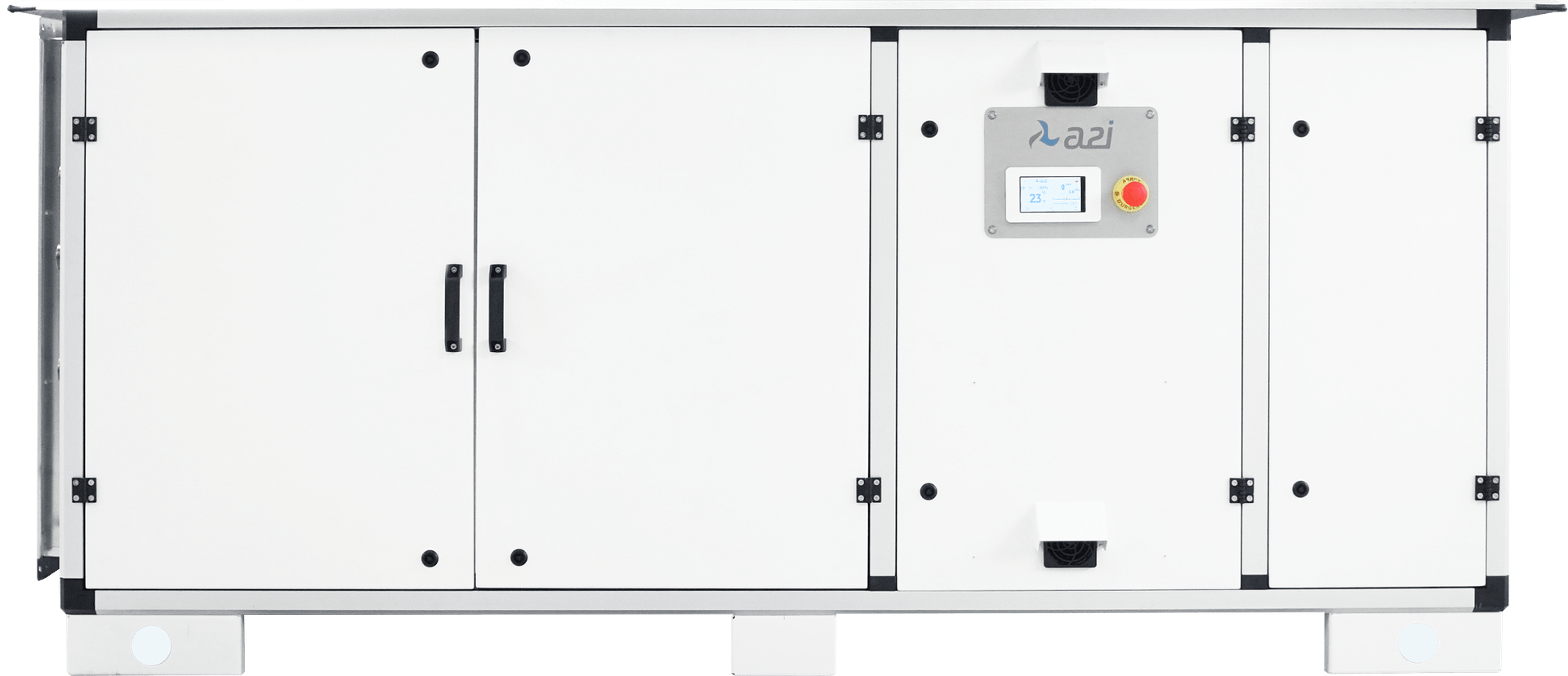


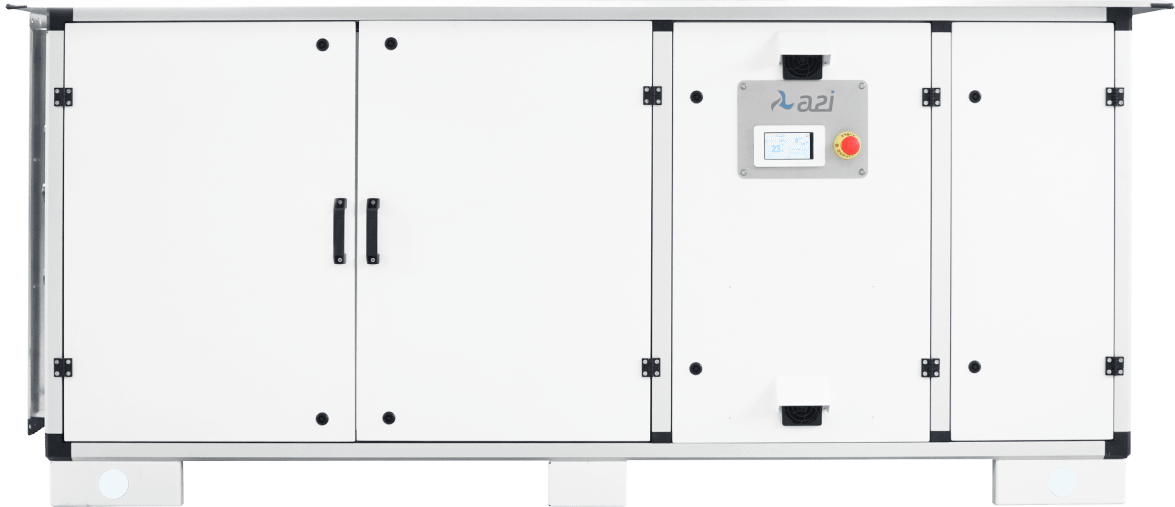
Air Treatment Engineered for Every Controlled Environment
SPCS
Operating theater, isolation room, ICU, recovery room...

SPCI
Research laboratories, pharmaceutical industry, animal facilities, microelectronics, precision mechanics and industrial processes.
The Most Compact & Modular AHU
Our Air Handling Units are designed to meet the most demanding requirements in terms of hygiene, energy performance, and control systems. Discover the key features that make the difference in the field.
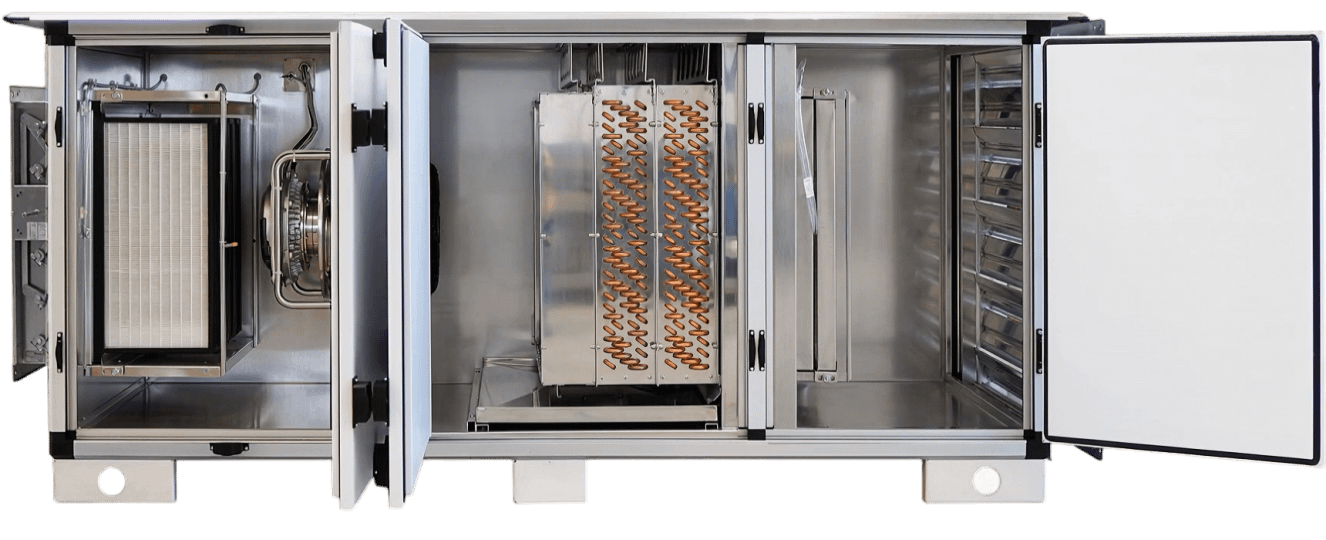
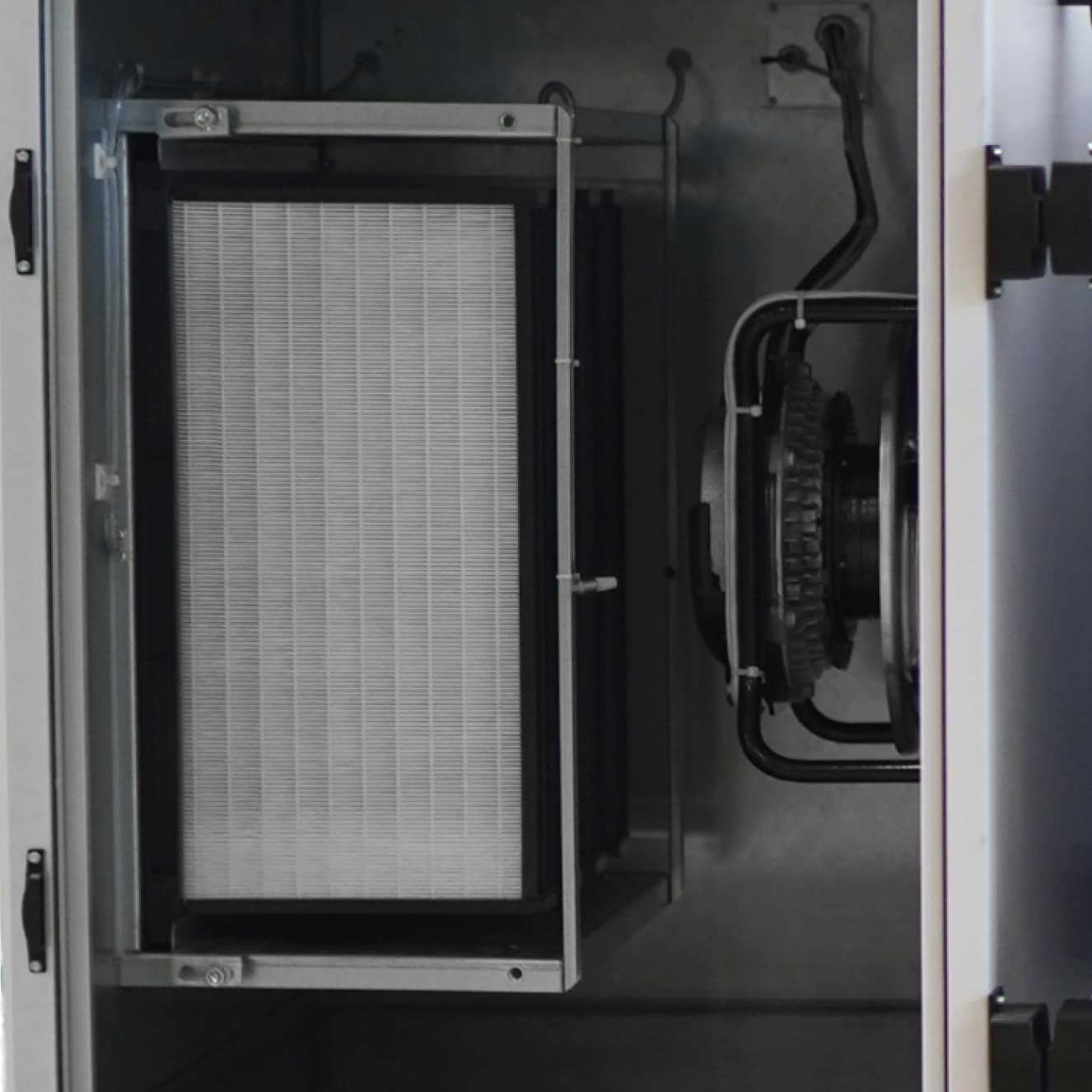
F9 to H14 Filtration
A2i units deliver up to 27,000 m³/h with H14 (HEPA) filtration and 33,000 m³/h with F9 filtration.

EC fan
Electronically commutated (EC) fan with ultra-high energy efficiency, up to 33,000 m³/h.

Heat Exchangers
Complete thermal treatment of air — heating, cooling and energy recovery.

G4 to F9 Fresh Air & Return Air Pre-Filters
Filtration of coarse and intermediate particles in both fresh and return air streams to protect components and optimize final filtration.

Double-Skin Insulated Panels
Double-skin panels in painted electro-galvanized steel sheet, 42mm thickness.

Stainless Steel Condensate Drip Tray — NFS 90-351 Compliant
Safe collection and drainage of condensates, preventing water stagnation and contamination risks.

Stainless Steel Floor - Hygienic Design
Smooth, non-porous surface fully compatible with hygienic requirements.

They Trust Us


Integrated Regulation & Automation
The Plug & Play solution incorporates all the regulation and automation required to control your installation straight out of the box. This design enables precise management of operating parameters and optimized energy performance.
Structural Integrity & Regulatory Compliance
Designed for the most demanding environments, our AHUs are built to the highest manufacturing standards.


Energy Performance
& EC Motor
EC Fans: High Efficiency, Lower Energy Consumption
EC fan technology continuously adjusts speed to match the required airflow, significantly reducing energy consumption. This delivers up to 30% energy savings compared to conventional asynchronous motors — without compromising aeraulic performance or stability.
Reliable, High-Performance Air Management
The integrated system continuously monitors and controls airflow, temperature, humidity and pressure — ensuring stable, precise conditions at all times.


Standby mode
Automatically reduce operation based on time schedules to minimize energy consumption during low-activity periods and optimize energy consumption management.
Heat Exchangers
Heat exchangers are selected according to the facility's requirements and the constraints of the environment to be treated. The design takes into account air speed and expected performance to ensure stable temperature and humidity regulation. Anti-corrosion protection can be integrated to guarantee the durability of the equipment in demanding environments.

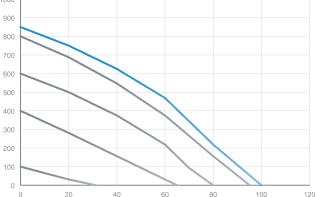
Constant Airflow Regulation
The fan self-regulates to maintain a constant airflow by automatically compensating for pressure drops.
Designed for High-Risk
Healthcare Facilities
Very High Infectious Risk — Risk Level 4
Areas with very high infectious risk require centralized air treatment with enhanced filtration and precise airflow control to minimize airborne contamination.
Areas of application
Orthopaedic theatres, organ transplant theatres, burns operating theatres, protected unit rooms (haematology), cytostatic reconstitution, parenteral solution manufacturing.
Recommended Equipment

High Infectious Risk — Risk Level 3
High infectious risk areas require enhanced air treatment with strict control of airflow, pressure and filtration to limit the spread of pathogens and protect occupants.
Areas of application
Multi-purpose theatres, ENT/ophthalmology and orthopaedic theatres, digestive and visceral surgery theatres, urology, cardiovascular surgery theatres, neurosurgery theatres...
Recommended Equipment

Moderate Infectious Risks - Risk 2
Moderately infectious risk areas require air treatment to control airborne contamination while ensuring the comfort and safety of patients and staff. Managing airflow, filtration, and air currents helps to limit the spread of infectious agents.
Areas of application
Pre-operative care unit (POCU), post-anaesthesia care unit (PACU), circulation within operating theatres, sterile medical device storage, multi-purpose room, ...
Recommended Equipment

Frequently asked questions
The Air Handling Unit
It maintains temperature, humidity, differential pressure, and particle concentration levels. This type of installation must comply with applicable regulatory requirements. An efficient air handling unit is essential to meet air contamination control standards across various industries, including:
- Healthcare,
- Pharmaceutical industry,
- Biotechnology,
- Microelectronics,
- Precision industrial processes.
From a construction standpoint, the mechanical performance of units is evaluated according to the EN 1886 standard (casing deflection, leakage, thermal transmittance, and thermal bridging).
In public-access buildings (ERP environments), energy performance requirements must also be carefully assessed, taking into account the specific constraints of cleanrooms, particularly the prevention of cross-contamination between fresh and exhaust airflows.
On the intake side, G4 to F9 filters provide pre-filtration. On the supply air side, F7 to H14 filters achieve performance levels compatible with ISO 5 to ISO 8 classes, depending on the room requirements. The choice of filters is determined based on risk analysis, regulatory requirements, and the specific process involved. Our team of specialists can advise you in selecting the most suitable solution.
In a double-flow configuration, the AHU manages both air supply and extraction. This setup enables precise control of differential pressures and improved energy efficiency.
The choice depends on the project constraints, the required containment level, and the overall air handling strategy.
- The use of high-efficiency EC motors,
- Precise airflow control,
- Reduced-mode operation based on time schedules,
- Free cooling in the neutral zone,
- Absolute humidity control.
Together, these features deliver full regulatory compliance without compromising on energy efficiency.
- Targeted ISO class or health risk level,
- Required air change rate (volumes/hour),
- Differential pressures to maintain,
- Internal thermal loads,
- Architectural and operational constraints.
A precise aerodynamic and thermal study carried out beforehand guarantees the achievement of the expected performance levels and compliance with current standards.
Similarly to our VAHUs, the air handling units can be equipped with direct expansion coils. Cooling is achieved through heat transfer between the refrigeration circuit and the treated air. In compliance with current regulations, the refrigerant used has no harmful effect on the ozone layer.
Energy recovery systems can also be integrated:
Plate heat exchangers — thermal energy transfer occurs across the entire plate surface for maximum efficiency
Double glycol-water heat exchanger recovery systems — this solution ensures perfect separation between the two air circuits.
Smooth interior surfaces with no grooves or recesses provide long-term protection against micro-organism growth throughout the entire unit. Stainless steel base panels and condensate drip trays effectively prevent moisture retention, while the panel coating ensures flawless hygiene at all times.
Learn More About our AHUs
High-Performance Air Management
Our AHUs handle fresh air supply, air recirculation, exhaust, and precise control of temperature, humidity, room pressure and filtration — all tailored to the specific requirements of each installation.
Unlike conventional AHUs, our units deliver significant savings in installation time, project cost and floor space — eliminating the need to dedicate technical rooms to air treatment equipment.
Our AHUs are fully suited for outdoor installation thanks to their robust construction, climate-adapted enclosures and compliance with current standards (thermal classifications T2 and TB2). A2i air handling units serve a wide range of critical applications including full surgical suites, healthcare facilities, pharmaceutical and cosmetic industries, microelectronics and high-precision manufacturing.
Like our VAHUs,these systems are designed as Plug & Play solutions. They do not require any additional configuration. Each unit integrates the electrical module, automation system, pipework, regulation components, PLC, display and sensors into a single ready-to-use package.
Available in multiple configurations to suit your specific needs, our AHUs are highly adaptable by design. Low noise levels — thanks to silent EC fans — make them particularly well suited for installation in close proximity to cleanroom environments. clean room.
A2i Air Handling Unit