Understanding the role of HEPA filtration in hospitals
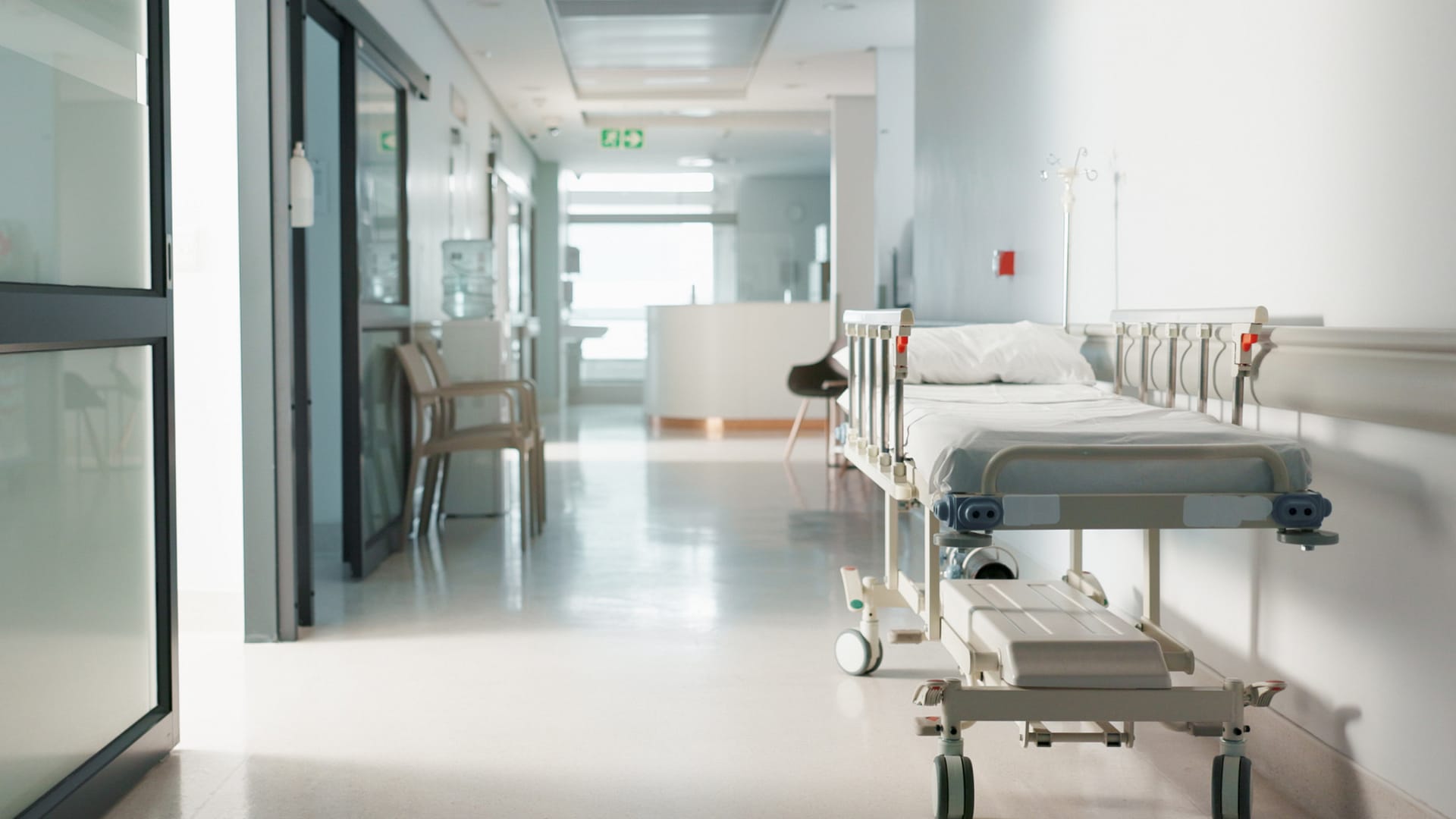
In healthcare facilities, air quality is a decisive parameter for limiting the risk of contamination. Thanks to strict standards and the implementation of high-performance ventilation systems, both patients and nursing staff can be protected. Among the most sensitive environments, operating theatres, isolation rooms and certain specialised units require particularly rigorous control of airborne contamination. It is in this context that HEPA (High Efficiency Particulate Air) filtration becomes a central element of air treatment systems.
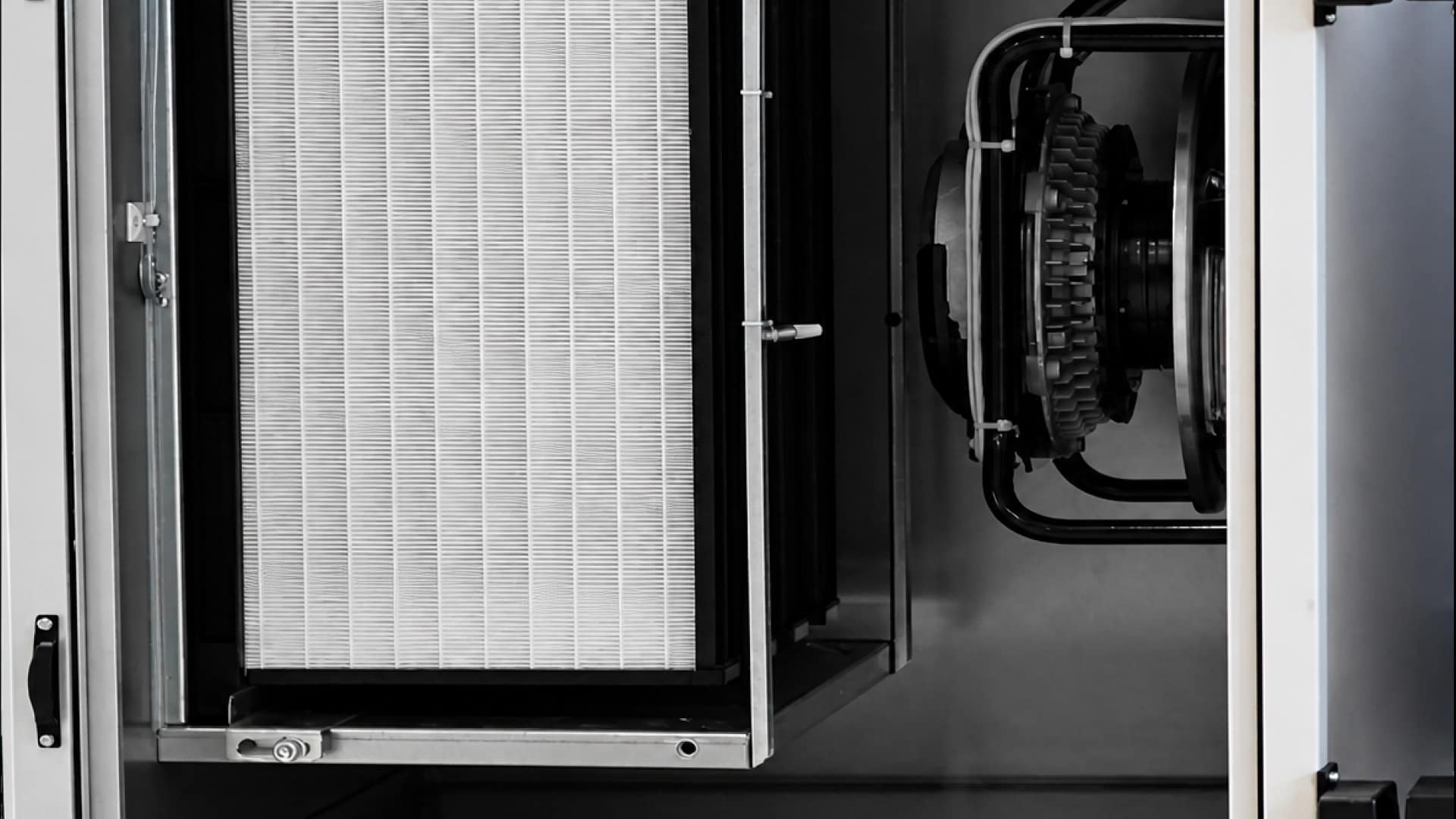
It is important to understand how this type of device works in order to properly grasp its role in air handling equipment. HEPA filters are designed to capture 99.95 % to 99.995 % of fine particles, depending on their classification. Their efficiency relies on several physical capture mechanisms. Thanks to the combination of phenomena such as the interception of particles in the filter fibres, the impaction of heavier particles and the diffusion of the finest particles, HEPA filters achieve a particularly high level of filtration.
These filters are generally placed in terminal filtration so as to be positioned as close as possible to the area to be protected. The air diffused into the room thus presents the required level of cleanliness. In practice, HEPA filtration is often integrated into filter ceilings or into terminal housings connected to the air handling system.
An essential overall performance
However, it is important to emphasise that filtration alone is not enough to guarantee a controlled environment. Overall performance will depend on all the parameters of the air handling system. We are talking here about sizing, the air change rate, the management of differential pressures between rooms, as well as the organisation of airflow patterns within the rooms.
These requirements are always governed by technical reference systems, notably the NF S 90-351 standard. The latter defines the expected performance for areas at risk of infection. The objective is therefore to maintain a level of particulate and microbiological contamination compatible with the medical activities carried out in these environments.
At A2i, the approach is based on implementing a tailor-made solution perfectly calibrated to address the level of risk in the area concerned by air treatment challenges. The design of aeluronic solutions intended for hospital environments is therefore based on a global approach. The integration of HEPA filtration is consequently part of a complete aeluronic architecture, which ensures controlled air distribution. This achieves lasting stability of environmental conditions in medical cleanrooms.